Abstract
The global textile industry is one of the largest contributors to environmental degradation, responsible for approximately ten percent of worldwide carbon emissions, twenty percent of industrial wastewater, and more than ninety-two million tonnes of textile waste annually. In response to this ecological crisis, researchers, designers, and biotechnology companies have turned to fungal mycelium, the vegetative root-like network of mushrooms, as a renewable and biodegradable raw material for textiles. This paper provides a comprehensive review of mushroom-based textile fibers, drawing on peer-reviewed scientific studies, industry reports, and documented case studies. It examines the biological foundations of mycelium, the biofabrication processes used to transform it into textile-like materials, the mechanical and functional properties of resulting fabrics, and the environmental advantages they offer over animal leather and petroleum-derived synthetics. Leading commercial products such as Reishi™ by MycoWorks, Mylo™ by Bolt Threads, MuSkin® by Grado Zero Innovation, Forager™ by Ecovative, and MycoTEX® by NEFFA are analyzed alongside pioneering academic research. The paper also discusses limitations in mechanical performance, scalability, and energy intensity, and outlines future research directions. It concludes that while mycelium-based textiles are not yet a complete replacement for conventional fibers, they represent one of the most promising pathways toward a circular, carbon-neutral, and cruelty-free textile economy.
1. Introduction
For centuries, humans have relied on a narrow range of textile fibers, dominated by cotton, wool, silk, linen, and, since the twentieth century, synthetic polymers such as polyester, nylon, and acrylic. These materials have shaped the clothing we wear, the furniture we use, and the industrial fabrics that support modern life. Yet the environmental, social, and ethical costs of producing them have become increasingly difficult to ignore. Synthetic fibers derived from fossil fuels now account for roughly seventy percent of all textile input, while cotton cultivation consumes vast quantities of water and agrochemicals (Niinimäki et al., 2020). At the same time, the leather industry, long considered a luxury category, continues to generate enormous volumes of greenhouse gases and toxic effluent through livestock farming and chromium-based tanning (Amobonye et al., 2023).
Against this background, a new generation of researchers and biotechnology companies has begun to rethink what a textile fiber can be. Rather than extracting materials from plants, animals, or petroleum, they propose to grow them, using living organisms that assemble fibers at the molecular scale under mild, low-energy conditions. Among the most promising of these organisms is mycelium, the thread-like vegetative network of filamentous fungi. Mycelium can be cultivated on agricultural by-products such as sawdust, straw, and even textile waste, producing, within a matter of days to weeks, a dense mat of interwoven hyphae that can be processed into foams, panels, and leather-like sheets (Vandelook et al., 2021; Whabi et al., 2024).
This paper examines the science, technology, and design landscape around mushroom-based textile fibers. Drawing on scientific literature, life cycle assessments, and documented industry case studies, the study aims to answer four interrelated questions: How is mycelium converted into textile-grade material? What properties does it possess? How does it compare environmentally to conventional fibers and leathers? And what are the remaining obstacles to widespread commercial adoption? The purpose is not to offer uncritical advocacy, but to provide a balanced, evidence-based assessment that situates mushroom fibers within the broader transition toward a sustainable, circular textile economy.
2. The Environmental Crisis of the Textile Industry
To appreciate why mycelium-based textiles matter, it is necessary to first confront the scale of the environmental problem they seek to address. The fashion and textiles sector has expanded dramatically over the past two decades. Between 2000 and 2022, global fiber production nearly doubled, rising from fifty-eight million tonnes to one hundred and sixteen million tonnes, and Textile Exchange (2023) projects this figure will reach one hundred and forty-seven million tonnes by 2030 under business-as-usual scenarios. In parallel, the average duration of garment use has fallen by roughly thirty-six percent, reflecting the rise of fast fashion and a culture of disposability (UNEP, 2025).
The ecological consequences are severe. According to the United Nations Environment Programme, the fashion industry is responsible for approximately ten percent of global carbon emissions, more than the combined emissions of international aviation and maritime shipping (UNEP, 2018). It accounts for around twenty percent of industrial wastewater globally, with dyeing and finishing operations alone contributing three percent of worldwide CO₂ emissions and over twenty percent of global water pollution (Earth.Org, 2024). Producing a single pair of cotton jeans can require up to three thousand seven hundred and eighty-one liters of water (Wikipedia, 2026), and Niinimäki and colleagues (2020) estimate that the industry uses seventy-nine trillion liters of water each year, equivalent to draining Lake Superior nearly seven times.
Waste generation is equally alarming. UNEP (2025) reports that approximately ninety-two million tonnes of textile waste are produced globally every year, with around eighty-five percent of textiles ending up in landfills or incinerators. In the United States alone, an estimated eleven point three million tonnes of textile waste reach landfills annually (Earth.Org, 2024). Synthetic garments, which now make up roughly seventy percent of clothing fibers, do not biodegrade readily and shed microfibers with every wash cycle; an estimated five hundred thousand tonnes of microfibers enter the oceans each year from laundering alone, equivalent to more than fifty billion plastic bottles (Earth.Org, 2024; IUCN, 2017).
Leather, often marketed as a natural and premium material, carries its own heavy burden. The global leather industry is estimated to emit over one hundred and thirty million tonnes of carbon dioxide annually and to generate approximately twenty-five percent of all chromium-containing waste released into the environment, largely from tanning operations (Tongthong et al., 2025). Methane emissions from animal-based fibers such as wool and leather, although representing only three to five percent of total fashion production volume, are estimated to be responsible for seventy to eighty percent of the industry's methane footprint over a twenty-year horizon (Wikipedia, 2026). These figures make clear that any credible sustainability strategy for textiles must address both synthetic and animal-derived materials simultaneously, an objective that mushroom-based fibers are uniquely positioned to support.
3. Biological Foundations: What Is Mycelium?
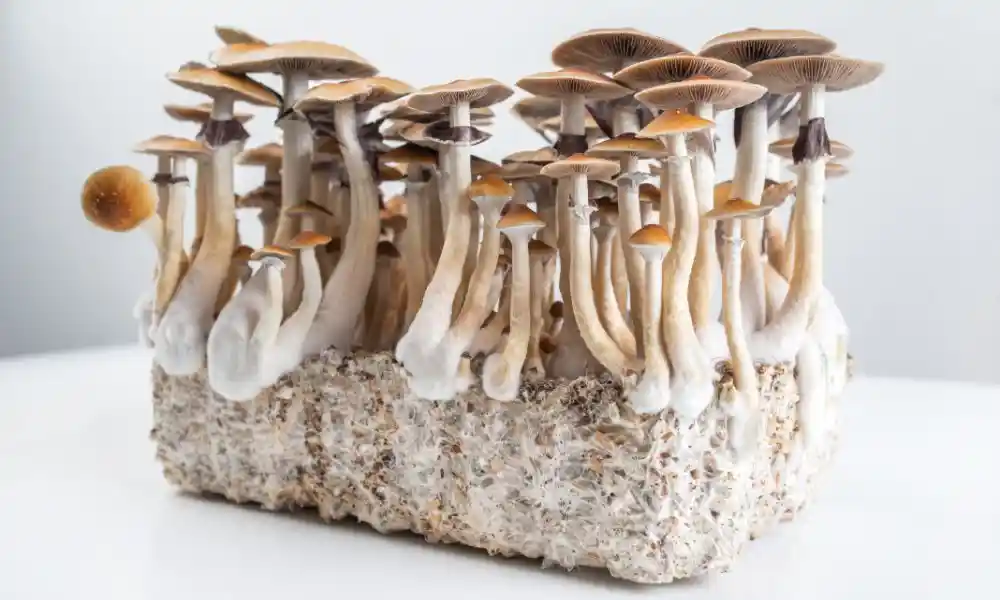
Mycelium is the vegetative body of a fungus, composed of a branching network of microscopic filaments called hyphae. While the fruiting body, the mushroom itself, is the visible reproductive structure, the mycelium typically lives hidden in soil, wood, or other organic substrates, where it secretes enzymes to decompose complex biopolymers such as lignin, cellulose, and hemicellulose (Islam et al., 2017; Haneef et al., 2017). A single mycelial network can extend across extraordinary distances; the largest known organism on Earth is a mycelium of the honey fungus Armillaria ostoyae in Oregon, which spans approximately two thousand four hundred acres (Von Baer, 2025).
From a materials-science perspective, the mycelial network is a natural fiber composite. Its cell walls are reinforced with chitin and β-glucans, structural polysaccharides that also occur in the exoskeletons of arthropods. Fungal chitin is strongly interconnected with glucans, producing a unique matrix that gives mycelium both tensile strength and flexibility (Girometta et al., 2024; Azimi et al., 2021). The Institute of Making (University College London) notes that the mechanical properties of mycelium-based materials are tunable: mycelia with high chitin content are stiffer and structurally stronger, while those with higher lipid and protein content are more ductile (Institute of Making, 2020). This biological tunability is one of the most important features distinguishing mycelium from conventional fibers, allowing scientists to engineer materials with specific performance characteristics by modifying species, substrate, and growth conditions.
The most widely studied species in mycelium-textile research include the oyster mushroom (Pleurotus ostreatus and P. eryngii), turkey tail (Trametes versicolor), reishi (Ganoderma lucidum), tinder fungus (Fomes fomentarius), and the parasitic bracket fungus Phellinus ellipsoideus, from which the earliest commercial mushroom leather, MuSkin, is derived (Fletcher, 2025; Institute of Making, 2020; Panaprium, 2021). Each species offers distinct cell-wall chemistry, growth rate, and aesthetic quality, supporting a diverse toolkit for textile innovation.
4. Historical Background and Pioneering Designers
Although commercial interest in mycelium textiles is recent, the use of fungi as materials is not new. The five-thousand-three-hundred-year-old natural mummy known as Ötzi, discovered in the Alps in 1991, carried with him two species of polypore fungus, Fomes fomentarius and Fomitopsis betulina, used respectively as tinder and medicinal material (Institute of Making, 2020). In Eastern Europe and Siberia, sheets of processed F. fomentarius, known as amadou, have traditionally been used to produce hats, bags, and other textile-like goods for centuries.
The modern story of mushroom textiles begins in the early 2010s. In 2007, Eben Bayer and Gavin McIntyre founded Ecovative Design in upstate New York and began producing mycelium-based packaging as an alternative to expanded polystyrene (Brownell, 2013). In 2012, artist Philip Ross, who had been cultivating Ganoderma lucidum as a sculptural medium since the 1990s, co-founded MycoWorks with Sophia Wang in San Francisco, leading to the eventual development of Reishi™, a high-performance mycelium leather (Mushroom Leather Supply, 2024). Italian design studio Grado Zero Innovation introduced MuSkin, made from Phellinus ellipsoideus, around the same period, offering the first commercially available mushroom-based leather sheet (Panaprium, 2021).
In parallel, a generation of designers explored mycelium as a textile in its own right. Dutch textile designer Aniela Hoitink became the first to create a complete garment from mycelium, presenting the MycoTEX dress at the Dutch Sustainable Fashion Week in 2016 (Hoitink, 2016; Howarth, 2016). Hoitink constructed the dress from modular discs of mycelium grown on textile substrate, producing an antimicrobial, skin-friendly, and fully compostable fabric. Her work was groundbreaking because it demonstrated that mycelium could be used not only as a leather substitute but as a pliable, three-dimensional fabric capable of replacing conventional woven or knitted textiles. Building on this, NEFFA developed MycoTEX® into a seamless, custom-fit manufacturing process that eliminates the need to cut and sew garments, potentially saving, according to an Accenture (2021) impact study, the equivalent of four hundred and thirty thousand jackets worth of resources per year by 2030 (European Investment Bank, 2023).
British designer Suzanne Lee, later scientific chief creative officer at Modern Meadow, brought mycelium and other bio-grown materials into international discussion through her 2011 book Grow Your Own Clothes and her subsequent TED talks, which helped popularize the term biofabrication. By 2018, fashion designer Stella McCartney had showcased a one-off Falabella handbag made from Bolt Threads' Mylo material at the Victoria and Albert Museum's Fashioned from Nature exhibition in London, signaling that luxury houses were ready to engage seriously with fungal textiles (Dezeen, 2020). These pioneering efforts laid the groundwork for the commercial expansion that would follow.
5. Biofabrication: How Mushroom Textiles Are Made
Biofabrication is the technical process of producing materials through the growth of living organisms. In the case of mushroom textiles, it typically involves three stages: substrate preparation, fungal cultivation, and post-processing (Wattanavichean et al., 2025; Amobonye et al., 2023). While the specifics vary across companies and research groups, the general workflow is remarkably consistent and illustrates how fungi can serve as natural biofactories.
5.1 Substrate Preparation
Substrates are the organic materials on which the fungus feeds and grows. Common substrates include hardwood sawdust, straw, hemp hurds, cereal grains, cotton seed hulls, and various agricultural by-products (Elsacker et al., 2019; Ghazvinian and Gürsoy, 2022). Recent research has also demonstrated that textile waste itself, including cotton, polyester, and cotton-polyester blends, can serve as a viable substrate, creating a closed-loop system in which discarded fabrics are upcycled into new biomaterials (Fletcher, 2025; Silva et al., 2024). The substrate is pasteurized or sterilized to eliminate competing microorganisms, then inoculated with fungal spawn.
5.2 Fungal Cultivation
Inoculated substrate is placed in a humidity- and temperature-controlled environment, typically at around 25 to 28 degrees Celsius with relative humidity above eighty percent. Over a period of one to four weeks, the mycelium colonizes the substrate, digesting organic matter and weaving through it with a dense network of hyphae (Appels et al., 2020; Amobonye et al., 2023). Two principal fermentation methods exist: solid-state fermentation (SSF), in which fungi grow on semi-solid substrates, and liquid-state fermentation (LSF), in which fungi are cultured in liquid nutrient broth. LSF is increasingly preferred for leather-like sheet materials because it produces more homogeneous mats and allows for faster scale-up (Whabi et al., 2024; Girolami et al., 2023).
An important recent innovation is MycoWorks' Fine Mycelium™ technology, a proprietary process in which the company controls the growth parameters to direct cells into a three-dimensional, densely entangled structure without the need for post-growth compression. MycoWorks claims this yields a material with enhanced strength, durability, and hand-feel that outperforms both naturally occurring mycelium and conventional mushroom leather (Martel, 2024; MycoWorks, 2022). Ecovative, by contrast, developed AirMycelium™, a vertical growing platform capable of producing three million square feet of material per year on a single acre of land (Mushroom Leather Supply, 2024).
5.3 Harvesting and Post-Processing
Once fully colonized, the mycelium mat is harvested and subjected to post-processing steps that determine the final properties of the textile. These typically include dehydration (through air-drying, hot pressing, or oven-drying), chemical treatment to deactivate the fungus and prevent further growth, and mechanical or surface treatments such as tanning analogs, dyeing, embossing, and coating (Jones et al., 2020; Bustillos et al., 2020). Glycerol and natural plasticizers are often added to increase flexibility, while beeswax, lanolin, or oil finishes can improve water resistance (Cai, n.d.). For composite leathers, the mycelium sheet is often laminated to a textile backer, such as cotton, polyester, or rayon, to improve tensile strength, as demonstrated by the cotton-mycelium biocomposites (CMBB) developed through submerged fermentation by recent research teams (Appels et al., 2020; CMBB study, 2025).
Crucially, the entire biofabrication process takes place at ambient or mildly elevated temperatures, requires no toxic solvents, and consumes only a fraction of the water used in conventional leather tanning or textile dyeing. This low-energy profile is one of the most compelling arguments for mycelium-based textiles as a sustainable alternative.
6. Properties and Characteristics of Mushroom Fiber
The physical, mechanical, and functional properties of mushroom-based textiles vary considerably depending on fungal species, substrate, growth conditions, and post-processing. However, several general characteristics have been consistently reported in the literature.
6.1 Mechanical Properties
Pure mycelium films and composites exhibit a wide range of mechanical behavior. In a comprehensive study of white-rot fungi for leather substitutes, Scheliga and colleagues (2024) reported that dried F. fomentarius mycelium achieved a tensile strength of approximately 3.28 MPa with a Young's modulus of 129.6 MPa, while Pleurotus eryngii and Trametes versicolor showed higher moduli when reinforced with cellulose felt. When mycelial pulp from F. fomentarius was used to overgrow a cellulose felt, the resulting material exceeded the tensile strength of synthetic leather and commercial Reishi™ samples. Studies of pure mycelium nanopapers (Sun et al., 2022) have shown stiffness comparable to industrial polymers, and tensile strengths of chitin-glucan extracts from fungi have been measured at up to 25 MPa, with fruiting-body extracts reaching 200 MPa (Yang et al., 2024).
For mycelium-based composites (MBCs), the mechanical performance depends heavily on substrate choice and processing method. Appels and colleagues (2020) found that Trametes multicolor grown on beech sawdust exhibited an elastic modulus of thirteen MPa, compared with four MPa on rapeseed straw. Hot-pressing substantially increases tensile strength compared to cold-pressing, as demonstrated in P. ostreatus composites grown on cotton-seed hull substrate (Javadian et al., 2020). Cotton-based mycelium composites have achieved flexural strengths of approximately eighty-two point five kilopascals and toughness values of three thousand two hundred and ninety-eight kilojoules per cubic meter, outperforming polyester-based composites in toughness (Silva et al., 2024).
6.2 Biodegradability and Antimicrobial Activity
Because mycelium is composed entirely of biological polymers, mushroom-based textiles are inherently compostable. MycoTEX garments, for example, are reported to decompose completely in a home composting environment within approximately six months (Hoitink, 2016; Mycelium Made, 2021). Reishi™ has been formulated with less than one percent polymer content, which allows it to biodegrade safely at end of life, a significant advantage over plastic-coated vegan leathers (Raman et al., 2022; MycoWorks, 2022).
Mushroom fibers are also naturally antimicrobial and antifungal due to the presence of chitin, β-glucans, and secondary metabolites in the fungal cell wall (Bustillos et al., 2020; Whabi et al., 2024). Bustillos and colleagues (2020), in a study published in ACS Applied Bio Materials, demonstrated that mushroom leather exhibits intrinsic antifungal and antibacterial properties against common pathogens. The antibacterial activity of cotton-mycelium biocomposites has been confirmed through zone-of-inhibition assays, suggesting potential applications in healthcare textiles and sterile environments (CMBB authors, 2025).
6.3 Thermal, Acoustic, and Surface Properties
Mycelium textiles exhibit excellent thermal insulation properties, arising from their porous, foam-like microstructure (Jones et al., 2020; Ghazvinian and Gürsoy, 2022). They are inherently fire-resistant; Reishi™ is naturally flame-retardant and meets the flammability standards of the furniture industry (Martel, 2024). Thermogravimetric analysis of mycelium-like leather sheets has shown thermal degradation behavior comparable to bovine leather in the 250 to 400 degree Celsius range, with some species such as Lentinus squarrosulus closely matching animal leather's thermal profile (Tongthong et al., 2025). The surface of treated mycelium is naturally hydrophobic due to hydrophobins, small amphiphilic proteins secreted by fungi, and can be further waterproofed with natural finishes.
6.4 Aesthetic and Tactile Qualities
Beyond measurable mechanical performance, mushroom fibers have attracted designers because of their distinctive aesthetic qualities. Reishi™ is described as possessing the hand-feel of premium leather, with a suppleness and drape that MycoWorks compares to lambskin or calf (Martel, 2024). MuSkin has a natural, vintage appearance with a suede-like surface texture (Panaprium, 2021). MycoTEX fabrics are antimicrobial and suitable for sensitive skin, and can be custom-shaped during growth rather than cut and sewn afterward (NEFFA, 2023). These qualities distinguish mycelium materials from plastic-based vegan leathers, which often feel synthetic and uniform.
7. Leading Commercial Products and Industry Applications
The commercialization of mushroom-based textiles has progressed rapidly over the past decade. The following subsections summarize the most significant products and corporate initiatives.
7.1 Reishi™ by MycoWorks
Founded in 2013 by Philip Ross and Sophia Wang, MycoWorks produces Reishi™ through its proprietary Fine Mycelium™ technology at a 136,000-square-foot facility in Union, South Carolina. The plant uses artificial intelligence and robotics to automate most of the production process, and the company has attracted more than one hundred and eighty-seven million US dollars in capital (Trellis, 2025). In 2021, Hermès announced its partnership with MycoWorks, incorporating Reishi™ into a version of its Victoria travel bag (Mission Magazine, 2023). Reishi™ has since been adopted by Ligne Roset for upholstered furniture and by General Motors for automotive interior prototypes (ICFF, 2025). The material can be tuned during growth to achieve specific thicknesses and surface textures and is available with little to no synthetic polymer content, enabling true biodegradability.
7.2 Mylo™ by Bolt Threads
Bolt Threads, founded in 2009 by Dan Widmaier, developed Mylo™ as a leather alternative grown from mycelium on sawdust and organic matter in vertical-agriculture facilities powered by renewable energy. In 2020, the company announced the Mylo Consortium with Adidas, Stella McCartney, lululemon, and Kering (parent of Gucci), each investing seven-figure sums to scale commercial production (Dezeen, 2020). Stella McCartney debuted the Frayme Mylo handbag at Paris Fashion Week in October 2021 as part of her Spring/Summer 2022 collection (Haus von Eden, 2023), and Adidas unveiled a mycelium-leather prototype of the iconic Stan Smith sneaker (CLAD Global, 2021). However, Bolt Threads paused its Mylo efforts in 2023 after raising more than three hundred million US dollars, citing high production costs and the challenges of scaling (Trellis, 2025), a cautionary example of the economic barriers facing early-stage biomaterials.
7.3 MuSkin® by Grado Zero Innovation
MuSkin, developed by Italian design agency Grado Zero Innovation (formerly Grado Zero Espace) in Montelupo Fiorentino, is derived from the large fruiting body of Phellinus ellipsoideus, a parasitic fungus that attacks trees in subtropical forests. Unlike mycelium-grown leathers, MuSkin is extracted directly from the mushroom itself. It is treated with natural penicillin substances to limit bacterial proliferation and is produced without toxic chemicals, earning PETA Approved Vegan status. Production capacity at the original facility is approximately forty to fifty square meters per month (Panaprium, 2021).
7.4 Forager™ by Ecovative
Ecovative, based in Green Island and Troy, New York, uses its AirMycelium™ vertical farming platform to produce mushroom leather marketed as Forager™. The company, which also pioneered mushroom-based packaging through its subsidiary Mushroom Packaging, can produce approximately three million square feet of material annually per acre, offering hides in a variety of colors and textures. In 2024, Ecovative announced a partnership with PVH Corp, parent company of Calvin Klein, to develop Forager™ products for apparel applications (Trellis, 2025; Mushroom Leather Supply, 2024).
7.5 MycoTEX® by NEFFA
Unlike leather alternatives, NEFFA's MycoTEX® is a true textile substitute. Aniela Hoitink's patented seamless manufacturing method uses robotic application of liquid mycelium onto three-dimensional moulds, producing custom-fit garments without cutting or sewing. In five to seven days, fermenters produce the base mycelial biomass, which is combined with a proprietary blend of natural ingredients before being shaped into finished products (European Investment Bank, 2023). NEFFA partners with the German production facility DESMA for local manufacturing systems. According to Hoitink, the process uses approximately half the water required to produce cotton textiles and eliminates cut-and-sew waste entirely.
7.6 Emerging Players and Applications
Beyond these established companies, the mushroom textile ecosystem continues to expand. Chicago-based startup Hydefy, a MycoWorks spin-off, has partnered with Stella McCartney to develop Fy, a mycelium composite used in a 2025 runway bag (Trellis, 2025). Italian firm Mogu, based near Milan, leads the EU-funded MY-FI project in collaboration with Utrecht University and I-TECH Lyon, developing nonwoven mycelium fabrics for automotive interiors in partnership with Volkswagen (Horizon Magazine, 2024). Mylea™, developed in Indonesia by MYCL (Mycotech Lab), has become one of the largest mycelium leather producers in Southeast Asia (Ariyani et al., 2024). According to Market Intelligence research cited by Trellis (2025), the mycelium leather market, valued at twelve million US dollars in 2024, is projected to grow to three hundred and thirty-six million US dollars by 2033.
Applications now extend well beyond fashion accessories. Mycelium-based materials are being explored for automotive interiors (Mercedes-Benz, Bentley, Volkswagen), furniture upholstery, footwear (Adidas Stan Smith Mylo, German vegan sneaker brands), acoustic insulation, headphone earpads (KTH 2024 LCA study), luggage, watch straps, and even biodegradable burial urns (Designboom, 2025).
8. Environmental Assessment and Life Cycle Analysis
The sustainability claims of mushroom textiles rest not only on qualitative arguments about biodegradability but also on quantitative life cycle assessments (LCAs). Several rigorous studies have now been conducted.
The most cited peer-reviewed LCA is the study of MycoWorks' Reishi™ published in Environmental Sciences Europe (Raman et al., 2022). The authors reported an initial carbon footprint of two point seven six kilograms of CO₂ equivalent per square meter of finished Reishi™ at pilot scale, and demonstrated that the passive mycelium-growth process has a carbon footprint two orders of magnitude lower than competing mycelium growth processes that actively consume carbon dioxide gas. Compared with bovine leather, Reishi™ performed better across multiple impact categories, including eutrophication, ecotoxicity, and human health effects. The authors identified the sterilization of raw material inputs via autoclave tools as the primary environmental hotspot and the largest opportunity for further reduction.
A contrasting result was reported in the Indonesian case study of Mylea™ published in The International Journal of Life Cycle Assessment (Bachtiar et al., 2024). Using a functional unit of one square meter of natural grade-A Mylea™, the authors calculated a carbon footprint of fifty-seven point one five kilograms of CO₂ equivalent, of which forty-six point five three kilograms derived from electricity consumption, six point six seven from cotton backing, and one point zero three from EVA glue. The finishing process was identified as the principal environmental hotspot. Crucially, the authors demonstrated that switching to hydropower or solar energy could dramatically reduce this footprint, underscoring that the sustainability of mycelium-based leather is highly dependent on the energy mix used for cultivation and processing (Bachtiar et al., 2024; One 4 Leather, 2024).
A 2024 Master's thesis at KTH Royal Institute of Technology in Stockholm conducted a comparative LCA of bovine leather, polyurethane (PU) leather, and mycelium leather for use as headphone earpads. The results showed that mycelium leather had the lowest environmental impact in all assessed categories, with bovine leather having the highest overall impact due to its carbon footprint, toxicity potential, and water use, followed by PU leather due to fossil-fuel dependence (KTH, 2024). The author emphasized, however, that the material's benefit depends strongly on the use of waste substrates and renewable energy.
Taken together, these studies suggest that mushroom-based textiles offer genuine environmental advantages, particularly in water use, land use, toxicity, and methane emissions, but that their carbon performance is sensitive to energy sources and finishing materials. When grown on agricultural waste with renewable electricity and minimal synthetic backing, mycelium textiles can deliver order-of-magnitude improvements over conventional leather. When grown using grid electricity from fossil fuels and heavily coated with EVA or polyurethane, their advantages narrow considerably. This nuanced picture cautions against simplistic green marketing claims and highlights the importance of rigorous, transparent life cycle accounting.
9. Challenges, Limitations, and Criticisms
Despite their promise, mushroom textiles face substantial scientific, technical, and economic challenges that must be acknowledged.
9.1 Mechanical Performance and Consistency
Even state-of-the-art mycelium leathers generally have lower tensile strength and tear resistance than premium bovine leather when used without textile backing (Scheliga et al., 2024; Vandelook et al., 2021). Many commercial products rely on composite structures in which the mycelium is laminated to a textile backer of cotton, rayon, or polyester to achieve adequate strength, which partially undermines the biodegradability argument if the backer is synthetic. Achieving homogeneous mats with consistent thickness, color, and mechanical properties at commercial scale remains difficult (Panaprium, 2021), and natural biological variability introduces quality-control challenges not present in synthetic fiber production.
9.2 Scalability and Cost
Biological production is inherently slower and more variable than chemical synthesis. The pause of Bolt Threads' Mylo program in 2023, despite the investment of over three hundred million US dollars, illustrates that even well-funded biotechnology companies struggle to achieve commercial-scale production at competitive costs (Trellis, 2025). Large-scale production requires cost-effective substrate sources, optimized cultivation conditions, substantial capital investment in infrastructure, and the development of regulatory certifications for material safety and flammability (Fletcher, 2025). At present, mycelium textiles remain best suited to luxury segments where consumers accept premium pricing, rather than to mass-market apparel.
9.3 Energy Intensity of Cultivation
As demonstrated by the Bachtiar et al. (2024) LCA, controlled-environment mycelium cultivation is energy-intensive due to requirements for sterilization, temperature, and humidity regulation. Without renewable electricity, the carbon advantage over bovine leather can shrink or even reverse. Improving energy efficiency in sterilization, fermentation, and drying remains a critical research frontier.
9.4 Regulatory and Consumer Perceptions
Regulatory pathways for novel biomaterials are still being developed. Material certification for safety, allergen content, and durability varies across jurisdictions, and textile labeling rules have not always kept pace with biofabricated innovations (Fletcher, 2025). Consumer education is also required: studies suggest that perceptions of mushroom-based materials as unhygienic or fragile can inhibit adoption, even when performance data support their durability.
9.5 Greenwashing Risks
The textile industry has a documented problem with greenwashing; a recent study found that thirty-nine percent of sustainability claims from major brands could be false or deceptive (David Suzuki Foundation, 2025). As mushroom-based materials gain popularity, there is a risk that products marketed as mushroom leather actually contain only trace amounts of mycelium heavily coated with polyurethane or bonded to synthetic backers. MycoWorks has publicly addressed this issue, arguing that materials must contain less than one percent polymer to biodegrade safely (MycoWorks, 2022). Transparent LCA reporting, third-party certification, and clear labeling are essential to maintain consumer trust in the category.
10. Future Prospects and Research Directions
The future of mushroom-based textile fibers will be shaped by advances in several interrelated domains. Genetic and strain optimization will allow researchers to tailor fungal species for specific material properties, improving consistency and extending the range of achievable mechanical performance (Whabi et al., 2024). Marquandomyces marquandii, for instance, has recently been shown to produce porosity-graded mycelium hydrogels capable of retaining up to eighty-three percent water, opening applications in biomedical textiles beyond traditional apparel (ResearchGate, 2024).
Coupling mycelium textiles with circular economy principles represents perhaps the most transformative direction. Research by Fletcher (2025) at Leeds Beckett University and by Silva et al. (2024) has demonstrated that P. ostreatus can colonize and bind textile waste, effectively converting end-of-life garments into new biocomposites. If scaled, this approach could transform post-consumer textile waste from a disposal burden into a resource stream, closing a loop that the fashion industry has long struggled to close. Integration with food-waste bioremediation, as explored by Brou Kouadio et al. (2024), further extends this regenerative logic.
Natural pigmentation of mycelium offers another avenue for reducing environmental impact. Because textile dyeing and finishing account for thirty-six percent of the fashion industry's pollution (Quantis, 2018), the ability to grow naturally pigmented textiles, using fungal species that produce colored pigments during growth, could eliminate the need for synthetic dyes altogether (Fletcher, 2025). Research on improving moisture-wicking, breathability, and durability, as demonstrated by Hao et al. (2025) through direct-casting and oven-drying of mycelium-polyurethane composites, is also accelerating.
Finally, collaboration between biotechnology companies, fashion brands, regulators, and consumers will determine the pace of adoption. Initiatives like Fashion for Good in Amsterdam play a central role in de-risking material innovation by connecting startups with brands, suppliers, and investors, creating the infrastructure necessary for new materials to reach commercial scale (Ley, cited in Trellis, 2025). As consumer demand for verifiable sustainability grows and as governments implement stricter extended-producer-responsibility regulations and carbon pricing, the economic case for mushroom textiles is likely to strengthen.
11. Conclusion
The global textile industry stands at a critical juncture. Its dependence on fossil-fuel-derived synthetics, water-intensive cotton, and ecologically damaging animal leather is increasingly incompatible with planetary limits and evolving consumer expectations. Mushroom-based textile fibers, grown from the vegetative mycelium of filamentous fungi, offer a genuinely novel pathway forward. Rooted in a material culture of making rather than extracting, they align with the principles of the circular economy: produced from agricultural and textile waste, cultivated in days rather than years, free from animal agriculture and toxic tanning chemistry, and biodegradable at end of life.
The scientific evidence reviewed in this paper supports the view that mycelium fibers can match, and in some cases exceed, the aesthetic and tactile qualities of conventional leathers while providing robust antimicrobial, thermal, and acoustic properties. Peer-reviewed life cycle assessments, most notably the work of Raman et al. (2022) on Reishi™ and Bachtiar et al. (2024) on Mylea™, demonstrate that well-designed mycelium production can achieve carbon footprints two orders of magnitude below those of bovine leather, provided that renewable energy and waste substrates are used. Pioneering designers such as Aniela Hoitink, Philip Ross, Suzanne Lee, and Stella McCartney have shown that mushroom textiles can be integrated into high-quality fashion, and industry leaders including Hermès, Adidas, Ligne Roset, Mercedes-Benz, and Calvin Klein have begun to adopt them at commercial scale.
At the same time, honest assessment requires acknowledgment of real limitations. Mycelium textiles do not yet match the tensile strength, consistency, or cost of the best conventional materials in every application. Scalability challenges have forced even well-funded companies to pause production, and the carbon benefits depend critically on energy sources and finishing chemistry. Greenwashing risks are real and require vigilant, transparent certification and labeling.
Nevertheless, mushroom-based textiles represent one of the most scientifically grounded and environmentally promising material innovations to emerge in the twenty-first century. They embody a paradigm shift from extractive to regenerative production, in which fibers are grown rather than manufactured, and in which the end of a product's life returns nutrients to the soil rather than depositing them in a landfill. As Hoitink (2016) observed, drawing inspiration from nature itself, every year a tree sheds its leaves to grow a new set; perhaps our garments, too, can eventually follow the same cycle. The path from laboratory prototype to mainstream wardrobe will require continued scientific research, engineering refinement, responsible commercialization, and supportive policy. But the evidence reviewed here suggests that the mushroom may well become one of the defining textile fibers of the coming decades, a sustainable, circular, and cruelty-free alternative to the materials that have dominated the industry for the past two centuries.
12. References
Amobonye, A., Lalung, J., Awasthi, M. K., & Pillai, S. (2023). Fungal mycelium as leather alternative: A sustainable biogenic material for the fashion industry. Sustainable Materials and Technologies, 38, e00724. https://doi.org/10.1016/j.susmat.2023.e00724
Appels, F. V. W., Camere, S., Montalti, M., Karana, E., Jansen, K. M. B., Dijksterhuis, J., Krijgsheld, P., & Wösten, H. A. B. (2020). Fabrication factors influencing mechanical, moisture- and water-related properties of mycelium-based composites. Materials & Design, 161, 107779. https://doi.org/10.1016/j.matdes.2018.107779
Ariyani, N. R., Wijayanti, S. P., Putra, N. G., Kusumawati, M. B., Setiawan, A. A. R., Isharyadi, F., Widyastuti, N., Djarot, I. N., & Handayani, T. (2024). Mycelium-based leather potential for sustainability: A review. AIP Conference Proceedings, 3001(1), 030012. https://doi.org/10.1063/5.0184187
Azimi, B., Maleki, H., Gigante, V., Bagherzadeh, R., Mezzetta, A., Milazzo, M., Guazzelli, L., Cinelli, P., Lazzeri, A., & Danti, S. (2021). Fungal chitin and chitosan for biomedical applications. In Handbook of Chitin and Chitosan (pp. 457–496). Elsevier. https://doi.org/10.1016/B978-0-12-817970-3.00014-8
Bachtiar, E. V., Surya, M. Y., Setiawan, A. A. R., Isharyadi, F., & Djarot, I. N. (2024). Life cycle assessment (LCA) of leather-like materials from mycelium: Indonesian case study. The International Journal of Life Cycle Assessment, 29, 1916–1930. https://doi.org/10.1007/s11367-024-02351-5
Barta, D. G., Simion, I., Tiuc, A. E., & Vasile, O. (2024). Mycelium-based composites as a sustainable solution for waste management and circular economy. Materials, 17(2), 404. https://doi.org/10.3390/ma17020404
Brou Kouadio, A. et al. (2024). Textile and food waste biodegradation for the production of composite mycelium materials using Pleurotus ostreatus. Research Directions: Biotechnology Design, Cambridge University Press. https://doi.org/10.1017/btd.2024.26
Brownell, B. (2013). Students create furniture from mushrooms. Architect Magazine. https://www.architectmagazine.com/technology/students-create-furniture-from-mushrooms_o
Bustillos, J., Loganathan, A., Agrawal, R., Gonzalez, B. A., Perez, M. G., Ramaswamy, S., Boesl, B., & Agarwal, A. (2020). Uncovering the mechanical, thermal, and chemical characteristics of biodegradable mushroom leather with intrinsic antifungal and antibacterial properties. ACS Applied Bio Materials, 3(5), 3145–3156. https://doi.org/10.1021/acsabm.0c00164
Cai, E. (n.d.). Mycelium-based textiles. Estonian Academy of Arts collaborative project. Retrieved from https://www.emilycai.me/mycelium
CLAD Global. (2021). Adidas reveals plans to launch mushroom leather shoe. https://www.cladglobal.com/news.cfm?codeID=347612
Collet, C. (2017). Grow-made textiles. In Alive: Designing with Living Systems. Central Saint Martins, University of the Arts London.
David Suzuki Foundation. (2025). The environmental costs of fast fashion. https://davidsuzuki.org/living-green/the-environmental-cost-of-fast-fashion/
Designboom. (2016). Aniela Hoitink uses mushroom mycelium to weave dress. https://www.designboom.com/design/aniela-hoitink-mycotex-dress-mushroom-mycelium-04-01-2016/
Dezeen. (2020). Major fashion houses will sell products made from mushroom leather by next year. https://www.dezeen.com/2020/10/08/mylo-consortium-adidas-stella-mccartney-lululemon-kering-mycelium/
Earth.Org. (2024). 10 concerning fast fashion waste statistics. https://earth.org/statistics-about-fast-fashion-waste/
Earth.Org. (2026). Fast fashion and its environmental impact in 2026. https://earth.org/fast-fashions-detrimental-effect-on-the-environment/
Ellen MacArthur Foundation. (2017). A new textiles economy: Redesigning fashion's future. Ellen MacArthur Foundation.
Elsacker, E., Vandelook, S., Brancart, J., Peeters, E., & De Laet, L. (2019). Mechanical, physical and chemical characterisation of mycelium-based composites with different types of lignocellulosic substrates. PLoS ONE, 14(7), e0213954. https://doi.org/10.1371/journal.pone.0213954
European Investment Bank. (2023). Mushroom-based material to reduce fashion waste. https://www.eib.org/en/stories/reduce-fashion-waste
Fletcher, I. A. (2025). Evaluating Pleurotus ostreatus growth for upcycling textile waste from the fashion industry. Frontiers in Sustainability, 6, 1522527. https://doi.org/10.3389/frsus.2025.1522527
Geneva Environment Network. (2025). Environmental sustainability in the fashion industry. https://www.genevaenvironmentnetwork.org/resources/updates/sustainable-fashion/
Ghazvinian, A., & Gürsoy, B. (2022). Mycelium-based composite graded materials: Assessing the effects of time and substrate mixture on mechanical properties. Biomimetics, 7(2), 48. https://doi.org/10.3390/biomimetics7020048
Girometta, C., Picco, A. M., Baiguera, R. M., Dondi, D., Babbini, S., Cartabia, M., Pellegrini, M., & Savino, E. (2020). Physico-mechanical and thermodynamic properties of mycelium-based biocomposites: A review. Sustainability, 11(1), 281. https://doi.org/10.3390/su11010281
Haneef, M., Ceseracciu, L., Canale, C., Bayer, I. S., Heredia-Guerrero, J. A., & Athanassiou, A. (2017). Advanced materials from fungal mycelium: Fabrication and tuning of physical properties. Scientific Reports, 7, 41292. https://doi.org/10.1038/srep41292
Hao, Y., Wang, H., Tian, D., Zhang, W., & Shi, B. (2025). Scalable production of robust, moisture-wicking, and breathable superfine mycelium fiber/waterborne polyurethane leather-like textile via direct casting and oven-drying. Industrial Crops and Products, 226, 120632. https://doi.org/10.1016/j.indcrop.2025.120632
Haus von Eden. (2023). Stella McCartney presents the first Mylo bag made of mushroom leather. https://www.hausvoneden.com/lifestyle/stella-mccartney-mushroom-leather-mylo-bag/
Heisel, F., & Hebel, D. E. (2019). Pioneering construction materials through prototypological research. Biomimetics, 4(3), 56. https://doi.org/10.3390/biomimetics4030056
Hoitink, A. (2016). MycoTEX: Textile made from mushroom mycelium. Neffa. https://neffa.nl/portfolio/mycotex/
Horizon Magazine. (2024). Nature's threads: Creating clothes from the ground up. European Commission Research and Innovation. https://projects.research-and-innovation.ec.europa.eu/en/horizon-magazine/natures-threads-creating-clothes-ground
Howarth, D. (2016). Aniela Hoitink creates dress from mushroom mycelium. Dezeen. https://www.dezeen.com/2016/04/01/aniela-hoitink-neffa-dress-mushroom-mycelium-textile-materials-fashion/
ICFF. (2025). A biomaterial that challenges leather. International Contemporary Furniture Fair. https://icff.com/stories/a-biomaterial-that-challenges-leather/
Institute of Making. (2020). Mushroom leather. University College London Materials Library. https://www.instituteofmaking.org.uk/materials-library/library/mushroom-leather
Islam, M. R., Tudryn, G., Bucinell, R., Schadler, L., & Picu, R. C. (2017). Morphology and mechanics of fungal mycelium. Scientific Reports, 7, 13070. https://doi.org/10.1038/s41598-017-13295-2
IUCN. (2017). Primary microplastics in the oceans: A global evaluation of sources. International Union for Conservation of Nature.
Javadian, A., Ferrand, H. L., Hebel, D. E., & Saeidi, N. (2020). Application of mycelium-bound composite materials in construction industry: A short review. SOJ Materials Science and Engineering, 7(1), 1–9.
Jones, M., Mautner, A., Luenco, S., Bismarck, A., & John, S. (2020). Engineered mycelium composite construction materials from fungal biorefineries: A critical review. Materials & Design, 187, 108397. https://doi.org/10.1016/j.matdes.2019.108397
KTH Royal Institute of Technology. (2024). Life cycle assessment of leather and leather-like materials [Master's thesis]. KTH DiVA. https://kth.diva-portal.org/smash/get/diva2:1886097/FULLTEXT01.pdf
Lee, S. (2011). Grow your own clothes [TED Talk]. TED Conferences. https://www.ted.com/talks/suzanne_lee_grow_your_own_clothes
Martel, F. (2024). Reishi: A biomaterial that challenges leather. Interview at the International Contemporary Furniture Fair (ICFF).
McKinsey & Company. (2016). Style that's sustainable: A new fast-fashion formula. McKinsey Sustainability Report.
Mission Magazine. (2023). Is mushroom leather the future of fashion? https://www.missionmag.org/mushroom-leather-fashion-luxry-stella-mccartney-hermes/
Mogu S.r.l. (2024). MY-FI: Mycelium-based nonwoven fibers for textiles. European Union Horizon 2020 Research and Innovation Programme.
Mushroom Leather Supply. (2024). Meet the companies ushering in the mushroom leather revolution. https://www.mushroomleathersupply.com/news/meet-the-companies-ushering-in-the-mushroom-leather-revolution
Mycelium Made (Lampoon Magazine). (2021). A web instead of a weave: An introduction to mycelium, textile of the future. https://lampoonmagazine.com/article/2021/06/18/mycelium-mycotex/
MycoWorks. (2022). Reishi™'s life cycle assessment. MycoWorks Corporate Report. https://www.mycoworks.com/life-cycle-assessment
NEFFA. (2023). MycoTEX: Custom-made fashion from mycelium. https://neffa.nl
Niinimäki, K., Peters, G., Dahlbo, H., Perry, P., Rissanen, T., & Gwilt, A. (2020). The environmental price of fast fashion. Nature Reviews Earth & Environment, 1, 189–200. https://doi.org/10.1038/s43017-020-0039-9
One 4 Leather. (2024). The environmental impact of vegan leather: A closer look. https://one4leather.com/article/the-environmental-impact-of-vegan-leather-a-closer-look/
Panaprium. (2021). All you need to know about vegan mushroom leather. https://www.panaprium.com/blogs/i/vegan-mushroom-leather
Quantis. (2018). Measuring fashion: Environmental impact of the global apparel and footwear industries study. Quantis International.
Raman, J., Kim, D. S., Kim, H. S., Oh, D. S., & Shin, H. J. (2022). Life cycle assessment of MycoWorks' Reishi™: The first low-carbon and biodegradable alternative leather. Environmental Sciences Europe, 34, 120. https://doi.org/10.1186/s12302-022-00689-x
Ross, P. (2016). Mycotecture: Building with mushrooms. Venice Biennale of Architecture.
Scheliga, M., Winandy, L., Thines, E., Tholl, M., & Schäfer, K. (2024). Mycelium-based biomimetic composite structures as a sustainable leather alternative. Sustainable Materials and Technologies, 41, e01081. https://doi.org/10.1016/j.susmat.2024.e01081
Silva, B., Fernandes, F. M., Pascoal Neto, C., & Freitas, F. (2024). Textile residue-based mycelium biocomposites from Pleurotus ostreatus. Mycology, 15(1), 71–86. https://doi.org/10.1080/21501203.2023.2278308
Silverman, J., Cao, H., & Cobb, K. (2020). Development of mushroom mycelium composites for footwear products. Clothing and Textiles Research Journal, 38(2), 119–133. https://doi.org/10.1177/0887302X19890006
Species Unite. (2024). Adidas, Lululemon, Stella McCartney to use vegan leather made from mushrooms. https://www.speciesunite.com/news-stories/adidas-lululemon-stella-mccartney-to-use-vegan-leather-made-from-mushrooms
Sun, W., Tajvidi, M., Howell, C., & Hunt, C. G. (2022). Insight into mycelium-lignocellulosic bio-composites: Essential factors and properties. Composites Part A: Applied Science and Manufacturing, 161, 107125. https://doi.org/10.1016/j.compositesa.2022.107125
Tacer-Caba, Z., Varis, J. J., Lankinen, P., & Mikkonen, K. S. (2020). Comparison of novel fungal mycelia strains and sustainable growth substrates to produce humidity-resistant biocomposites. Materials & Design, 192, 108728. https://doi.org/10.1016/j.matdes.2020.108728
Textile Exchange. (2023). Materials market report 2023. Textile Exchange.
Textile Focus. (2022). Mushroom: A sustainable textile fiber. https://textilefocus.com/mushroom-sustainable-textile-fiber/
Tongthong, T., Kaewsomboon, A., Phongphisutthinant, R., Phaweewattanakul, C., Pokasithcharoen, S., Chayapakdee, S., & Boonsrangsom, T. (2025). Looking at the possibility of using mushroom mycelium for developing leather-like materials aligned with eco-friendly and sustainable fashion trends. Polymers, 17(21), 2927. https://doi.org/10.3390/polym17212927
Trellis. (2025, June 10). Hermes, Stella McCartney and Calvin Klein embrace a leather alternative: Fungus. https://trellis.net/article/hermes-stella-mccartney-and-calvin-klein-embrace-a-leather-alternative-fungus/
UNEP (United Nations Environment Programme). (2018). Putting the brakes on fast fashion. UN Environment Programme.
UNEP (United Nations Environment Programme). (2025). Unsustainable fashion and textiles in focus for International Day of Zero Waste 2025. https://www.unep.org/news-and-stories/press-release/unsustainable-fashion-and-textiles-focus-international-day-zero
Vandelook, S., Elsacker, E., Van Wylick, A., De Laet, L., & Peeters, E. (2021). Current state and future prospects of pure mycelium materials. Fungal Biology and Biotechnology, 8, 20. https://doi.org/10.1186/s40694-021-00128-1
Von Baer. (2025). Mushroom leather. https://vonbaer.com/blogs/blog/mushroom-leather
Wang, H., Kaur, G., Pensupa, N., Uisan, K., Du, C., Yang, X., & Lin, C. S. K. (2018). Textile waste valorization using submerged filamentous fungal fermentation. Process Safety and Environmental Protection, 118, 143–151. https://doi.org/10.1016/j.psep.2018.06.038
Wattanavichean, N., Phanthuwongpakdee, J., Koedrith, P., Laoratanakul, P., Thaithatgoon, B., Somrithipol, S., Kwantong, P., Nuankaew, S., Pinruan, U., Chuaseeharonnachai, C., & Boonyuen, N. (2025). Mycelium-based breakthroughs: Exploring commercialization, research, and next-gen possibilities. Circular Economy and Sustainability. https://doi.org/10.1007/s43615-025-00539-x
Whabi, V., Yu, B., & Xu, J. (2024). From nature to design: Tailoring pure mycelial materials for the needs of tomorrow. Journal of Fungi, 10(3), 183. https://doi.org/10.3390/jof10030183
Wijayarathna, E. R. K. B., Mohammadkhani, G., Soufiani, A. M., Adolfsson, K. H., Ferreira, J. A., Hakkarainen, M., Berglund, L., Heinmaa, I., Root, A., & Zamani, A. (2022). Fungal textile alternatives from bread waste with leather-like properties. Resources, Conservation and Recycling, 179, 106041. https://doi.org/10.1016/j.resconrec.2021.106041
Wikipedia. (2026). Environmental impact of fashion. https://en.wikipedia.org/wiki/Environmental_impact_of_fashion